
Our Services
TOTAL SHOULDER REPLACEMENT
Are you suffering from severe shoulder pain or limited mobility due to shoulder joint damage? You might be considering shoulder replacement surgery.
TOTAL SHOULDER REPLACEMENT
Are you suffering from severe shoulder pain or limited mobility due to shoulder joint damage? You might be considering shoulder replacement surgery. In this blog post, we will cover important aspects of this procedure, including its benefits, risks, and what to expect before and after surgery.
What is Shoulder Replacement?
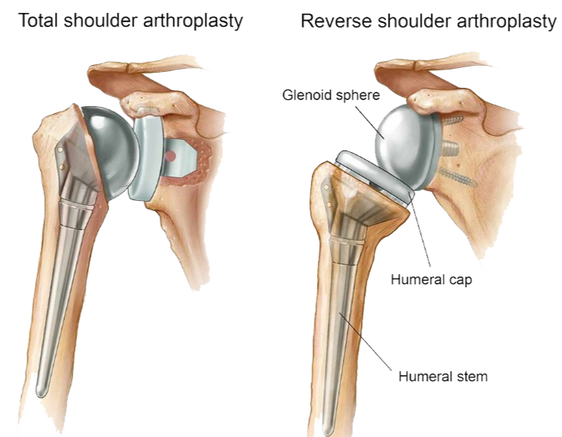
Shoulder replacement, or shoulder arthroplasty, is a surgical procedure that replaces the damaged or worn-out surfaces of the shoulder joint with artificial components. This procedure is recommended for patients who have severe shoulder arthritis, injury, or other conditions that have caused irreparable damage to the shoulder joint.
Why is Shoulder Replacement Performed?
The primary goal of shoulder replacement surgery is to relieve pain, restore function, and improve the patient’s quality of life. The procedure is typically recommended for patients who have tried other treatments, such as medication, physical therapy, and lifestyle modifications, without success.
Who is a Good Candidate for Shoulder Replacement?
A good candidate for shoulder replacement is typically someone who has:
- Severe shoulder pain that limits their daily activities
- Significant shoulder joint damage, such as bone-on-bone contact
- Tried other treatments without success
- No other medical conditions that would make surgery risky
The Shoulder Replacement Procedure: What to Expect
Before the Procedure: Prior to undergoing shoulder replacement, patients will undergo a thorough evaluation by their orthopedic surgeon to determine if they are a good candidate for the procedure. This evaluation may include imaging tests, blood tests, and a physical exam.
During the Procedure :- Shoulder replacement typically takes 1-2 hours and involves making an incision in the shoulder, removing the damaged bone and cartilage, and replacing them with metal and plastic components that mimic the natural structure of the shoulder joint.
After the Procedure :- After the surgery, the patient will spend several days in the hospital recovering before being discharged. Recovery from shoulder replacement typically involves several weeks of physical therapy and rehabilitation to help strengthen the shoulder and improve mobility.
Risks and Complications
Like all surgical procedures, shoulder replacement comes with some risks and potential complications, including:
- Infection
- Blood clots
- Nerve damage
- Joint stiffness
- Loosening or dislocation of the artificial joint
However, these risks are relatively rare, and most patients experience a successful outcome from shoulder replacement.
Conclusion
Shoulder replacement is a safe and effective procedure for patients with severe shoulder joint damage. With proper care and rehabilitation, patients can expect to experience significant pain relief and improved function, allowing them to return to their daily activities with ease. If you are considering shoulder replacement, be sure to discuss the procedure with your orthopedic surgeon to determine if it is the right option for you.g spinal health and quality of life.
Good to Know
Frequently asked questions
Do you accept new patients?
Yes! We welcome new dogs, cats and small companions. Booking your first visit takes just a few minutes.
What are your emergency hours?
Our team provides urgent and after-hours support 24/7. Call ahead when possible so we can prepare for your arrival.
Do you offer payment options?
We provide transparent estimates before treatment and accept major cards and pet insurance, with financing available for larger procedures.
How often should my pet have a checkup?
Most healthy adult pets benefit from an annual wellness exam, while puppies, kittens and seniors are seen more frequently.
Not sure which service you need?
Get in touch and our team will happily point you in the right direction.