
Our Services
SPINE SURGERY
Trauma refers to an emotional and psychological response to a deeply distressing or disturbing event or experience, which can cause feelings of shock, fear, and helplessness.
SPINE SURGERY
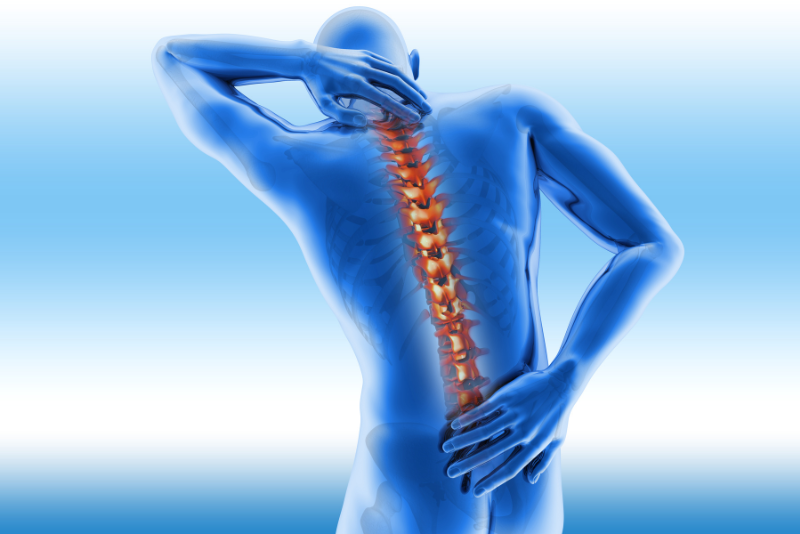
Spine surgery is a medical procedure that is performed to address spinal problems such as degenerative disc disease, spinal stenosis, herniated discs, and spinal cord compression. The aim of the surgery is to alleviate pain, improve mobility, and restore the function of the spine. In this blog, we will discuss the types of spine surgery, the benefits, and what to expect during and after the procedure.
Types of Spine Surgery:
- Discectomy: This procedure involves removing part or all of a herniated disc that is pressing on a nerve root or spinal cord.
- Laminectomy: This surgery involves removing the bony arch of the spinal cord (lamina) to relieve pressure on the spinal cord.
- Spinal fusion: This procedure involves fusing two or more vertebrae together to stabilize the spine and reduce pain.
- Artificial disc replacement: This is a surgical procedure that involves removing a damaged or diseased disc and replacing it with an artificial disc.
Benefits:
The benefits of spine surgery can vary depending on the type of surgery and the individual’s specific condition. Some benefits of spine surgery may include:
- Relief of pain: Spine surgery can alleviate pain associated with spinal problems such as herniated discs, spinal stenosis, and degenerative disc disease.
- Improved mobility: Spine surgery can improve mobility and range of motion in the spine.
- Improved quality of life: Spine surgery can help individuals regain their ability to perform daily activities, resulting in an improved quality of life.
- Prevention of further damage: Spine surgery can prevent further damage to the spine and reduce the risk of complications associated with untreated spinal problems.
What to Expect:
Before spine surgery, the individual will have a preoperative evaluation, which includes a physical exam, medical history review, and imaging tests. During the surgery, the individual will receive general anesthesia and the surgeon will make an incision in the back to access the spine. After the surgery, the individual will be monitored in a recovery room and then transferred to a hospital room. The length of the hospital stay can vary depending on the type of surgery and the individual’s condition. After leaving the hospital, the individual will need to follow a specific recovery plan, which may include physical therapy, medication, and activity restrictions.
Conclusion:
Spine surgery can provide significant relief for individuals with spinal problems, but it’s important to carefully consider the risks and benefits of the procedure. If you are experiencing spinal problems, talk to your healthcare provider about the best treatment options for your condition. With proper evaluation, preparation, and aftercare, spine surgery can be a successful treatment option for improving spinal health and quality of life.
Good to Know
Frequently asked questions
Do you accept new patients?
Yes! We welcome new dogs, cats and small companions. Booking your first visit takes just a few minutes.
What are your emergency hours?
Our team provides urgent and after-hours support 24/7. Call ahead when possible so we can prepare for your arrival.
Do you offer payment options?
We provide transparent estimates before treatment and accept major cards and pet insurance, with financing available for larger procedures.
How often should my pet have a checkup?
Most healthy adult pets benefit from an annual wellness exam, while puppies, kittens and seniors are seen more frequently.
Not sure which service you need?
Get in touch and our team will happily point you in the right direction.